While Finnish sauna often claims the spotlight for its depth and research backing, the impulse to harness heat for cleansing and vitality spans continents—manifesting in rituals that share core mechanisms yet diverge in tools, intent, and ambiance. From our exploration of these traditions, informed by principles of purity and efficacy, we've found profound overlaps: all induce sweating, circulation boosts, and parasympathetic shifts that support immunity, heart health, and mental clarity. Yet distinctions highlight why some align more closely with the Finnish model of simple heat-steam-wood, while others layer social or spiritual elements. Understanding these enriches appreciation for sauna's global wisdom, guiding our toxin-free designs that draw from the best without dilution.
The Russian banya comes closest to Finnish kinship, with high-heat steam rooms (often 180–200°F) fueled by wood or electric heaters and massive stones for veniki—birch branch whisking that exfoliates and stimulates blood flow. Like löyly, banya emphasizes vigorous steam bursts, followed by cold plunges for contrast therapy that amplifies endorphin release and recovery. Social and robust, sessions involve rounds of heating, whisking, and cooling—mirroring Finnish multi-round protocols for cardiovascular "training." Benefits echo strongly: reduced inflammation, deeper relaxation, and community bonding. The main divergence? Venik's physical intensity adds massage-like perks, but core purity (wood, heat, steam) aligns seamlessly.
Korean jjimjilbang expands into a multifaceted spa culture, with varied heated rooms (ondol floors at 100–200°F) using clay, salt, or jade for mineral infusion, often communal and family-oriented with sleeping areas. Heat here is drier and more moderate, promoting extended stays for relaxation and skin health—comparable to sauna's longevity links through gentle hormesis. Food, scrubs, and socializing extend the experience, fostering mood lifts akin to 30–50% depression reductions in heat studies. Less intense than Finnish or banya, it prioritizes endurance and restoration, though modern facilities sometimes introduce synthetics—we favor the traditional wood-fired roots for cleaner parallels.
The Mexican temazcal, a dome-shaped sweat lodge of volcanic stone or adobe, infused with herbs like copal or eucalyptus, leans spiritual: guided by shamans for emotional release and "rebirth." Temperatures build gradually to profuse sweating, emphasizing breathwork and intention over steam volume—paralleling heat-shock responses for cellular repair and detox. Indigenous roots tie it to purification rites, with outcomes like enhanced microcirculation. More ceremonial than recreational, it shares systemic cleansing but diverges in earthiness and herbal vapors, less focused on pure wood-scented air.
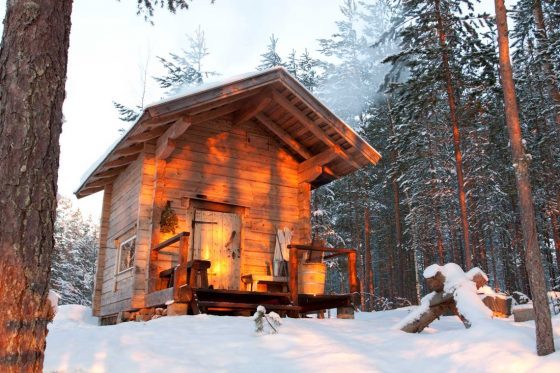
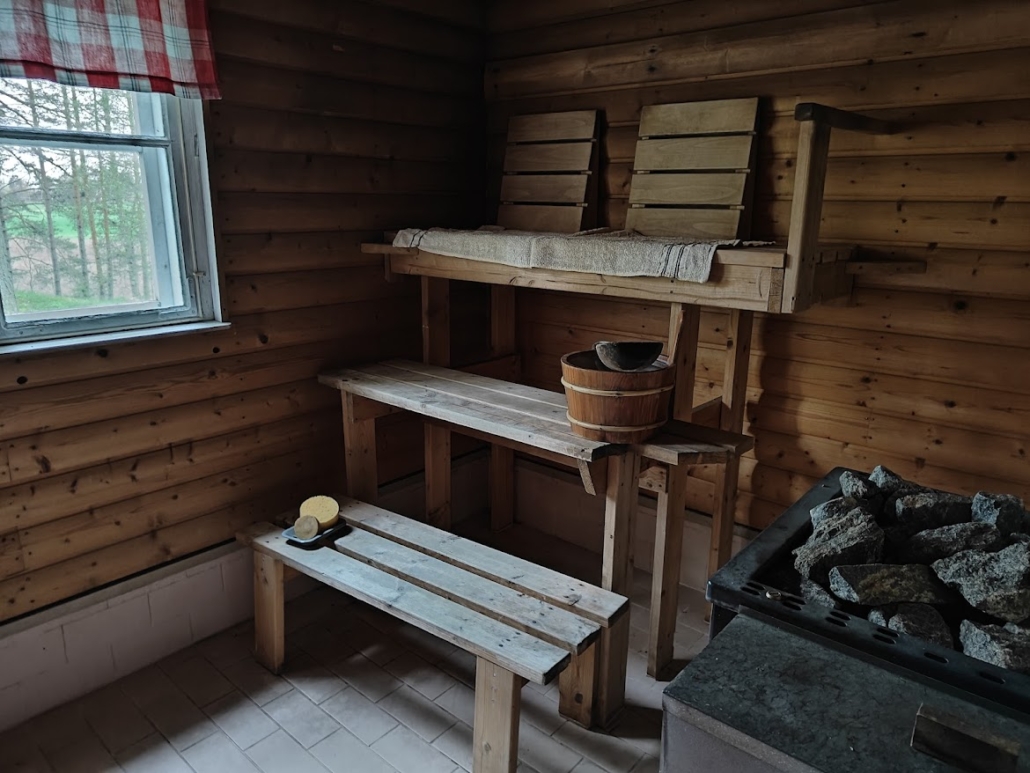
What ties them? Heat as a universal stressor-turned-adaptor: vasodilation, sweating out metabolites, and nervous system reset—yielding ~40–50% risk reductions in CVD or mood gains across studies. Distinctions shine in execution: banya's vigor closest to Finnish intensity, jjimjilbang's layering for accessibility, temazcal's introspection. None fully replicate the Finnish pared-back purity of untreated wood and fresh convection, but all validate heat therapy's efficacy.
Our hand-crafted saunas subtly nod to this tapestry—prioritizing chemical-free essentials that amplify shared benefits, whether solo reflection or paired plunges. In a diverse world of rituals, the common thread is profound: intentional heat fosters resilience, reminding us wellness often lies in time-tested simplicity.