Building on the invigorating contrast to sauna heat, we've refined cold plunge protocols through personal practice and insights from athletic and wellness research—focusing on progression that respects the body's signals while unlocking benefits like sharper recovery or sustained mood elevation. In our locally crafted wood tubs, untreated and resilient like Bald Cypress roots in water, the chill feels elemental and clean, without synthetic barriers. Protocols hinge on temperature (colder intensifies stress) and duration (longer amplifies adaptation), scaled by experience and intent. Start conservatively—breath control is key—and always in a safe setup, ideally paired with warmth for rewarming.
Temperature fundamentals: 50–60°F (10–15°C) offers gentle entry, emphasizing nervous system training; drop to 38–50°F (3–10°C) for advanced metabolic or inflammatory responses. Colder isn't always better—below 38°F risks excessive shock without proportional gains for most.

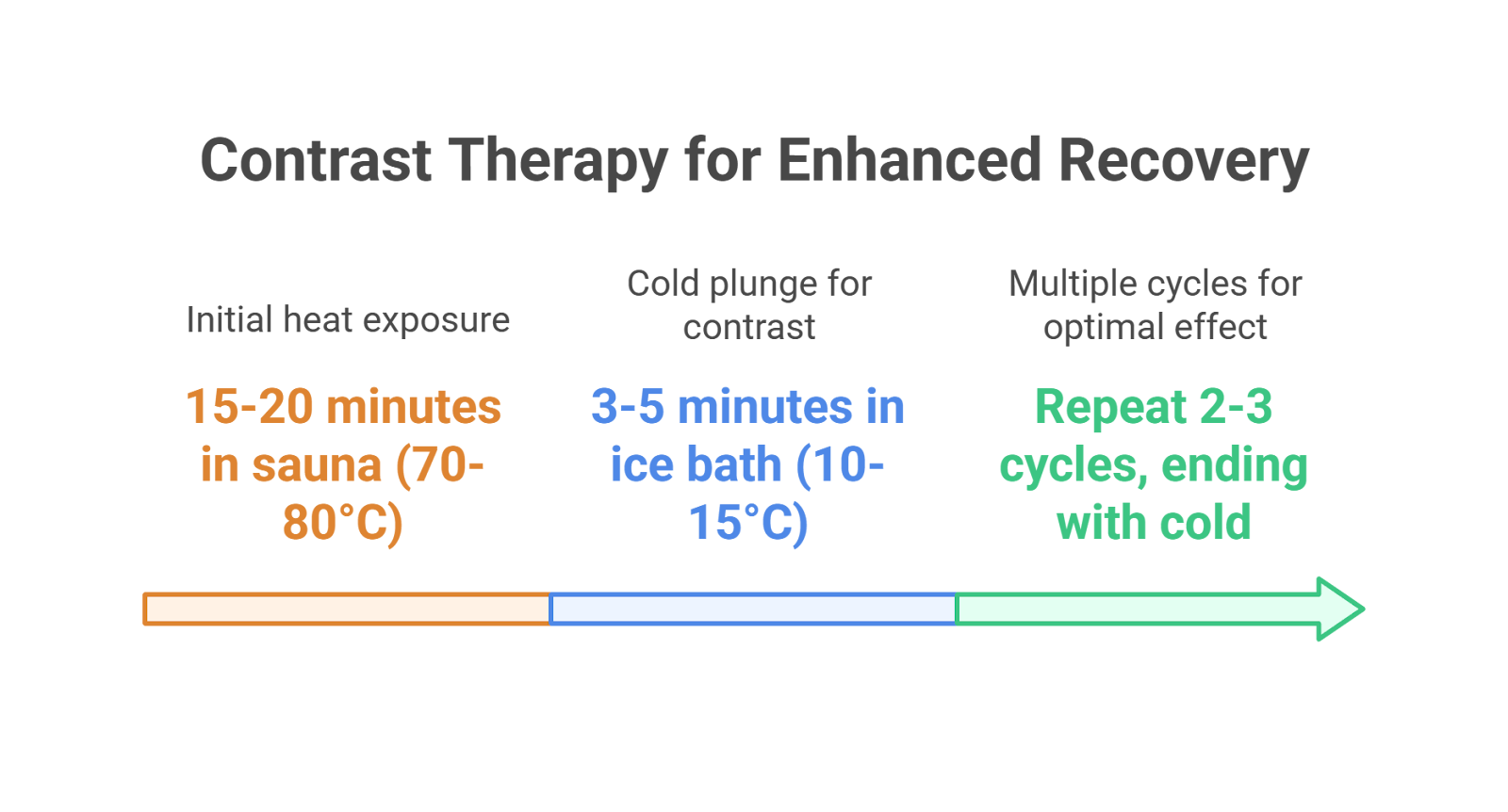
Duration builds tolerance: Beginners cap at 1–3 minutes to avoid afterdrop overwhelm; advanced extend to 5–10 for deeper hormesis. Multiple shorter rounds (with rewarming) often outperform one long push.
By level and goal:
Goal-specific tweaks:
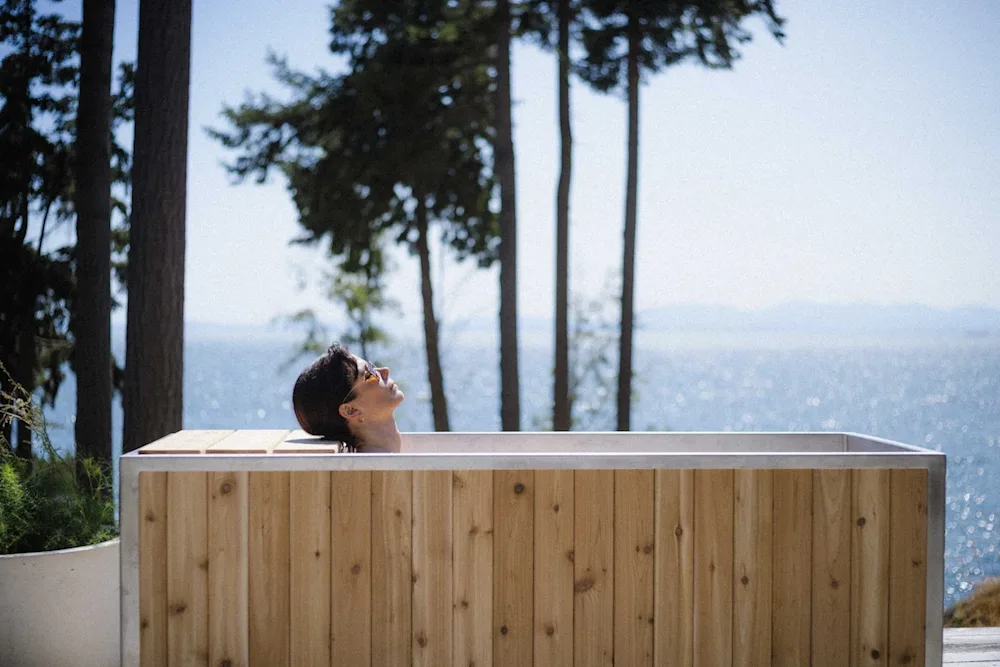
Our natural tubs enhance this—wood insulates subtly, holding chill evenly while evoking grounded immersion.

Hydrate, exit on shiver onset, rewarm gradually. Progression over aggression yields lasting edges—turning cold into a refined tool alongside heat.