In crafting saunas that truly transform lives, we've immersed ourselves in the profound history of Finnish bathing—a tradition spanning millennia that shaped not just structures, but an entire worldview of purification, community, and renewal. Archaeological traces point to primitive sauna-like pits as far back as 7000 BC, evolving into the iconic savusauna (smoke sauna) by around 1000 CE: simple log cabins without chimneys, where fire-heated stones filled the room with smoke before venting, leaving a sterile, soot-blackened space imbued with gentle, penetrating heat.
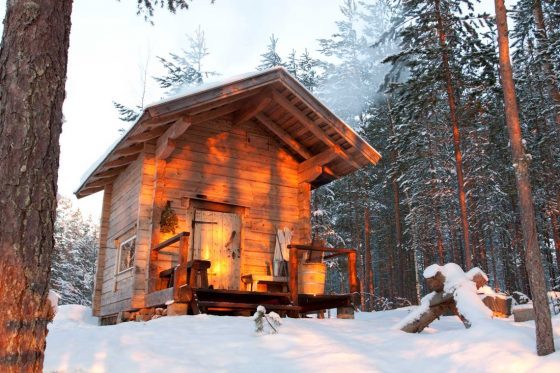
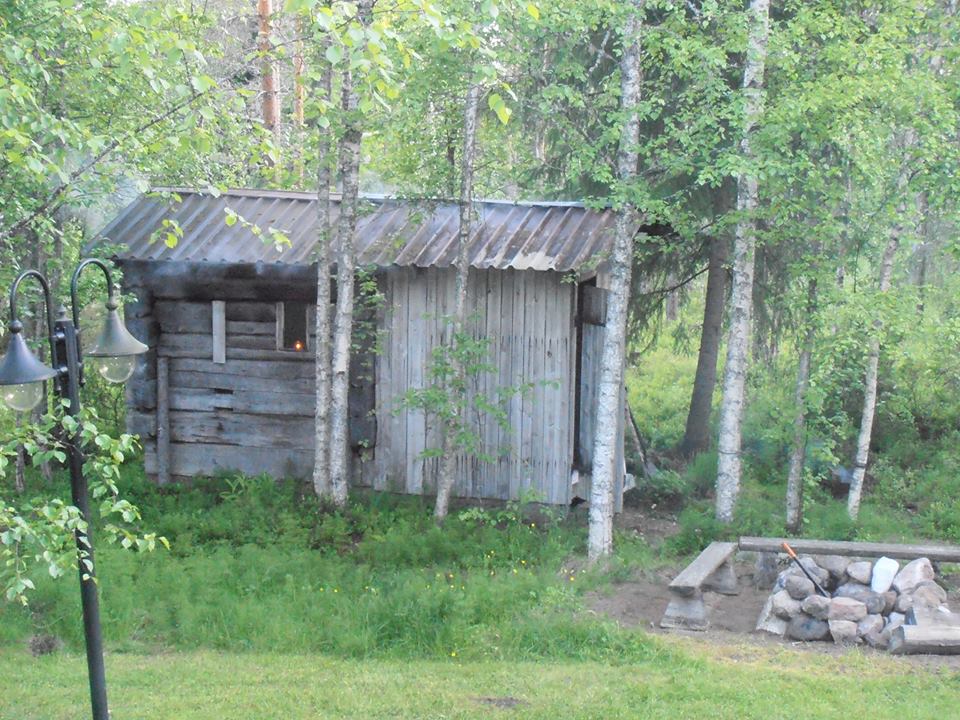
These early saunas weren't luxuries; they were essentials—often the first building on a homestead, serving for births, healing, and even preparing the dead, considered the cleanest space due to smoke's natural sterilizing tannic acids. The word löyly itself, meaning the steam from water on stones, originally signified "spirit" or "breath," reflecting sauna's sacred role. Over centuries, designs refined: chimneys appeared in the 16th century for cleaner operation, yet the core—natural logs, massive stone mass, passive airflow—remained, fostering the soft, enveloping warmth many still call superior.

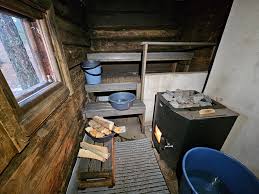
Modern shortcuts—barrels, underpowered heaters, synthetic materials, or sealed rooms without proper ventilation—often dilute this essence. Traditional designs excel because they align with biology and physics: thick logs retain heat evenly, ample stones sustain moist löyly without harsh spikes, and convection loops keep air fresh, preventing CO₂ buildup for lighter exits. Purists favor smoke or wood-fired for their organic variability and depth, though well-executed electrics can approximate when prioritizing low-EMF and stone mass.
This heritage isn't folklore; it's validated by science. Landmark studies by Dr. Jari Laukkanen and colleagues, tracking thousands over decades, link frequent traditional sauna use (4–7 times weekly at ~174°F) to ~40% lower all-cause mortality, halved cardiovascular risk, 66% reduced dementia/Alzheimer's odds, and more—effects tied to heat-shock proteins, improved circulation, and systemic resilience amplified in pure environments.
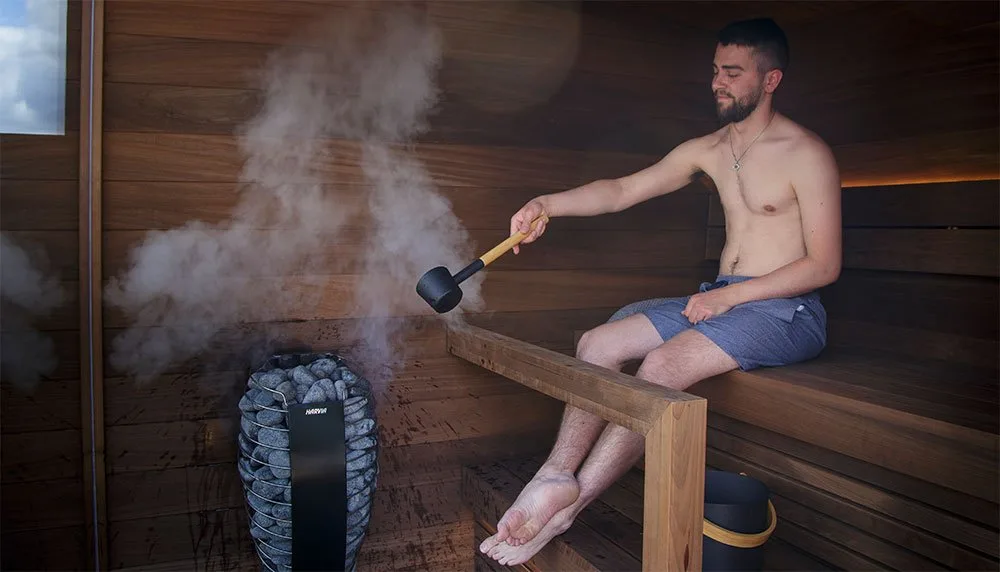
Our builds honor this legacy: locally milled, untreated U.S. woods echoing Finnish resilience (like thousand-year-old cedars), no additives to preserve clear air, and details like high benches for balanced warmth. In a world of quick fixes, originals endure because they work—with body, mind, and nature—delivering compounding vitality without compromise. UNESCO recognized Finnish sauna culture in 2020 not as relic, but living wisdom worth safeguarding.